



What to Do After a Rideshare Accident in Georgia

A rideshare accident doesn't run on one insurance policy. It runs on three or four, and which one actually pays out depends on something as small as whether the driver's app was open at the moment of impact. Get that piece wrong, or never learn it at all, and you can leave real money on the table without ever knowing it was there.
Insurance companies know exactly how that layered coverage works. Most injured passengers and drivers don't, and that gap is exactly where claims get underpaid. Get to safety, call 911, get medical care even if you feel fine, and document everything, including the trip details in the Uber or Lyft app, before any of it disappears. That part is simple. Here's what to do in order, starting with what actually protects you in the first half hour.
What to Do Immediately After a Rideshare Accident
Your safety comes first, always. If you can move, get out of traffic. Check yourself and anyone else nearby for injuries, and call 911 even if the damage looks minor. A police report does two things: it creates an official record of what happened, and it forces the responding officer to note who was driving, what vehicles were involved, and whether anyone admitted fault at the scene. Without it, you're relying on memory and a stranger's word months later.
Accept medical attention at the scene even if you feel okay. This is the piece people skip, and it's the one insurance adjusters use against you the most. Whiplash, concussions, and soft tissue injuries often don't show symptoms for a day or two. Adrenaline hides pain. If you decline treatment at the scene and then show up at urgent care three days later, the insurance company's first move is to argue your injuries came from somewhere else. A same-day medical record closes that door before it opens.
While you're still at the scene, or as soon as you're safely able to, open the rideshare app and take screenshots. Your trip receipt, the driver's name and photo, the route, and the timestamp all matter, and rideshare companies can restrict access to that trip data once a claim is filed. Get it while it's still yours to get.
What Evidence Should You Gather After a Rideshare Accident?
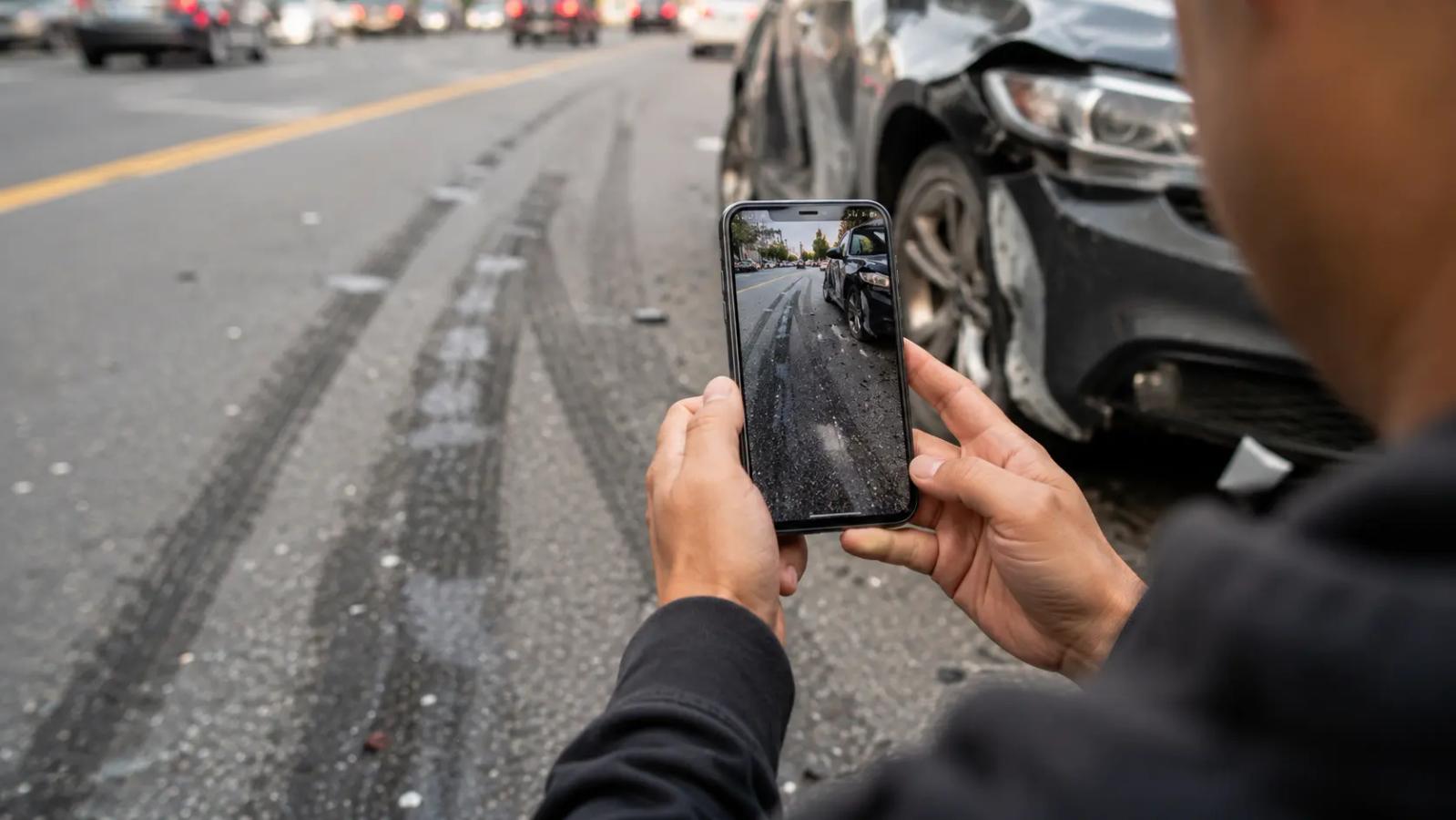
A car accident claim runs on documentation, not on what you remember three months later. Take photos of every vehicle involved, the damage, where the cars ended up, the road conditions, and any visible injuries. If there's a traffic signal or stop sign near the crash, photograph that too. It matters more than people expect when liability gets disputed.

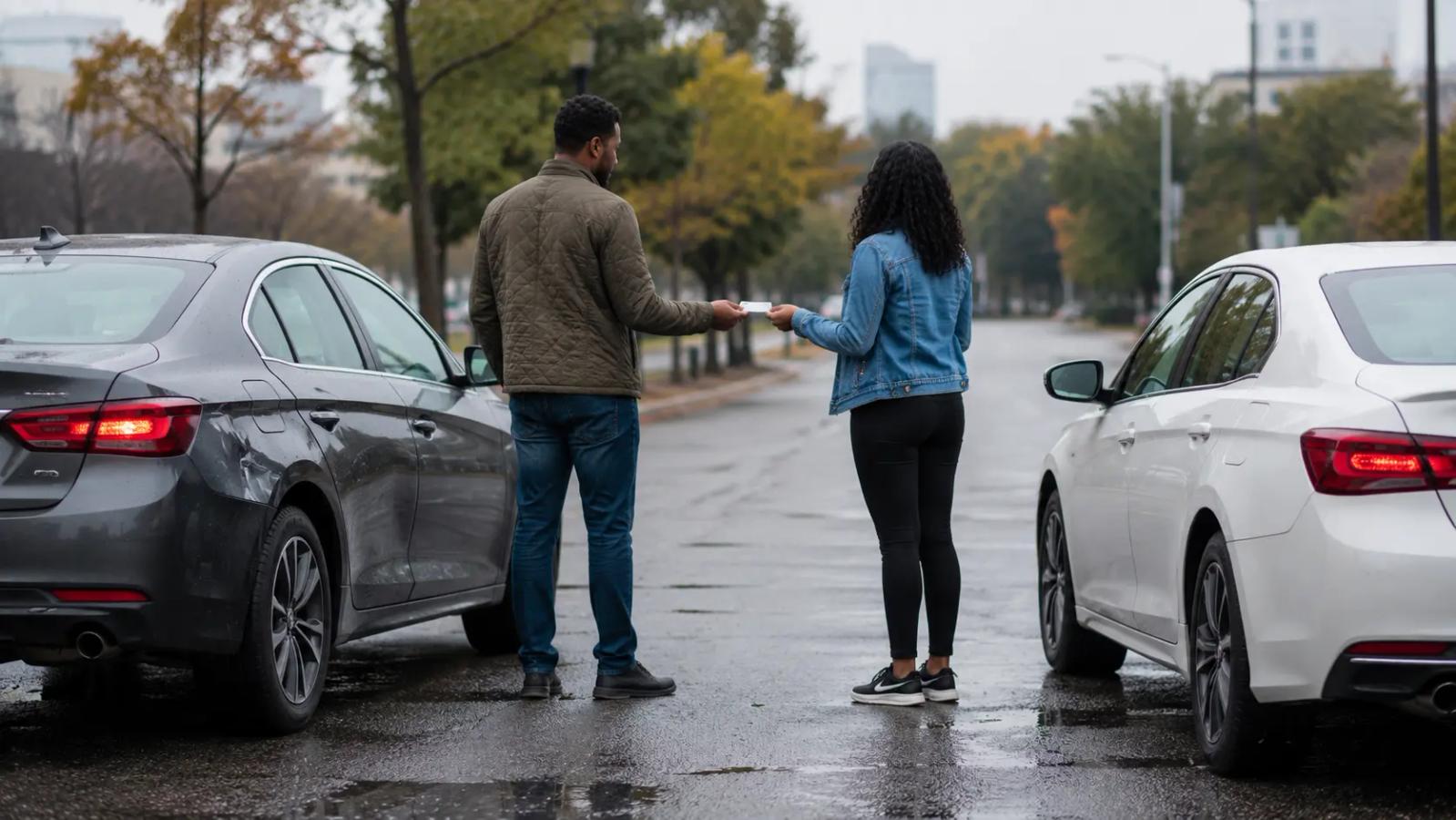
Get the names, phone numbers, and insurance information for every driver on scene, including the rideshare driver. If witnesses stopped, ask for their contact details before they leave. A witness who saw the rideshare driver run a red light is worth more to your case than almost any other piece of evidence you'll gather, because it's independent of everyone with something to gain.
Keep everything after that. Medical bills, prescriptions, repair estimates, and a record of any work you missed all build the financial picture of what this accident actually cost you. Insurance companies lowball vague claims. A claim backed by receipts is harder to lowball, which means more of your medical bills get covered by the people who owe you, instead of coming out of your own pocket.
How Uber and Lyft Insurance Coverage Works in Georgia
Most people get surprised here, and it's worth understanding before you talk to anyone from the insurance side.
Uber and Lyft don't carry one flat insurance policy. Georgia's rideshare statute, O.C.G.A. § 33-1-24, sets minimum coverage that shifts depending on what the driver was doing in the app at the moment of the crash, and the gap between tiers can mean $950,000 in available coverage.
| Driver's app status at the time of the crash | Coverage that applies | |
|---|---|---|
App off, driving personally | Only the driver's own personal auto insurance | |
App on, waiting for a ride request | Limited liability coverage, typically up to $50,000 per person and $100,000 per accident | |
Ride accepted, en route to pickup, or actively transporting a passenger | Up to $1 million in third-party liability coverage |
That third tier is the one that matters most if you were injured as a passenger or hit by a rideshare driver mid-trip. It's also the one insurance companies fight hardest to avoid paying out on. The gap between "waiting for a ride" and "on the way to pick one up" is exactly where a lot of claims get contested.
Whether you were a passenger, another driver on the road, or a pedestrian struck by a rideshare vehicle changes how you approach the claim, but it doesn't change the core fact: figuring out which tier applies to your crash is the single biggest factor in what your case is actually worth.
Who's Liable in a Georgia Rideshare Accident?
Liability comes down to who caused the crash, but the practical path to compensation looks different depending on where you were sitting.
If you were a passenger, you're almost never at fault. Your claim typically goes against whichever driver, the rideshare driver or the other motorist, caused the collision, backed by the tiered coverage above.

If you were driving your own car and a rideshare driver hit you, their coverage tier at the time of impact determines your primary source of recovery. If they were mid-trip, you're likely looking at that $1 million policy rather than their personal insurance.
Pedestrians struck by a rideshare vehicle fall under the same tiered system as any other injured third party, and the same evidence rules matter just as much: get the driver's information, get witnesses, get medical care documented immediately.
Georgia follows a modified comparative negligence rule under O.C.G.A. § 51-12-33. Your compensation can be reduced by whatever percentage of fault you carry, and you're barred from recovering anything if you're found 50 percent or more at fault. This is exactly why what you say at the scene matters. "I'm sorry" or "I didn't see them" can be used later as an admission, even when it isn't one. Say what happened. Don't guess at fault out loud.
What If the At-Fault Driver's Insurance Isn't Enough?
Uninsured and underinsured motorist coverage, UM/UIM, covers exactly this gap, and it's the piece most people never think to check until it's too late. If you carry UM/UIM coverage on your own auto policy, it can stack on top of whatever the rideshare company's insurance pays, filling the gap between what you were owed and what the at-fault party's policy actually covers. This matters more in rideshare cases than people assume, because a driver who's only logged into the app and waiting for a request is carrying limited liability coverage that can be exhausted fast in a serious injury claim.
There's a second reason it matters more than it used to. Before July 2023, Uber and Lyft were required to carry $1 million in UM/UIM coverage for Georgia passengers, the same tier as their active-trip liability coverage. Then House Bill 529 took effect and cut that requirement by 90 percent, down to $100,000 per person and $300,000 per accident. If you're riding in an Uber or Lyft in Atlanta today and get hit by a driver with no insurance or too little of it, the rideshare company's own UM/UIM policy is worth a tenth of what it was two years ago. That's exactly why your own UM/UIM coverage, and whether it applies to a rideshare crash, is no longer a minor detail. It's often the difference between a claim that covers your medical bills and one that doesn't.
If you're not sure whether your policy includes UM/UIM coverage, or whether it applies to a rideshare crash specifically, that's a conversation worth having before you accept any settlement offer.
How Long Do You Have to File a Rideshare Accident Claim in Georgia?
Georgia gives you two years from the date of the accident to file a personal injury lawsuit under O.C.G.A. § 9-3-33. Two years sounds like plenty of time, and that's exactly the trap. Witnesses move. Memories fade. Rideshare companies aren't required to preserve trip data indefinitely, and evidence that was easy to get the week of the crash becomes much harder to reconstruct six months later. A case that's harder to prove is a case that settles for less, if it settles at all.
Insurance claims should move faster than the lawsuit deadline suggests. The earlier you start building your case, the more leverage you have when it comes time to negotiate.
When Should You Contact a Lawyer After a Rideshare Accident?
The moment you're dealing with more than one insurance company, or the fault is being disputed, is the moment to call a lawyer rather than handle it yourself. After a rideshare crash, you'll likely hear from more than one adjuster, sometimes from the driver's personal insurer, sometimes from Uber or Lyft's carrier, sometimes both. They'll sound helpful. Not on your side. Just helpful sounding.
Avoid giving a recorded statement before you've spoken with someone who understands how rideshare claims actually work. Avoid accepting a quick settlement offer, especially one that comes fast. A fast offer is rarely a generous one. Insurance companies move quickly on lowball numbers precisely because they know medical costs and lost wages often take weeks or months to fully add up, and they'd rather settle before you know the real total.


None of this costs you anything to find out. Personal injury lawyers, including our team, work on contingency, so there's no upfront fee and nothing owed unless you actually recover compensation. Given what's at stake once HB 529 has already thinned out your UM/UIM protection, that free conversation is worth having before you say another word to an adjuster.
Frequently Asked Questions
Talk to a Rideshare Accident Lawyer in Georgia
You don't have to figure out which insurance tier applies or whether your UM/UIM coverage stacks on your own.
Whether you were a passenger, a driver, or a pedestrian, and whether the crash happened in Atlanta or anywhere else across Georgia and Alabama, Sabrina Gillani and the team at Gillani Law handle exactly this kind of layered rideshare accident claim.
Find out what your claim is actually worth before you talk to the insurance company. Your consultation is free, and it's the fastest way to know exactly where you stand.
This information is provided for general educational purposes and does not constitute legal advice. Past results do not guarantee similar outcomes in future cases. Contacting Gillani Law does not create an attorney-client relationship. Attorney Advertising.