



Average Dog Bite Settlement in Georgia


The average dog bite settlement in Georgia is roughly $46,700, Ranges described here are general information, not an estimate or prediction of the value of your claim. Every case depends on its own facts, injuries, liability, evidence, available insurance coverage, and collectability. well below the $65,450 Ranges described here are general information, not an estimate or prediction of the value of your claim. Every case depends on its own facts, injuries, liability, evidence, available insurance coverage, and collectability. national average reported by the Insurance Information Institute and State Farm. That gap should bother you more than it reassures you.
Georgia isn't a low-payout state because dog bites here are less serious. It's a low-payout state because Georgia's dog bite law puts a burden on the victim that most other states don't. You can be badly bitten, do everything right, and still walk away with nothing if you can't prove one specific fact about the dog. That fact, not your medical bills, is usually what decides your case.
What the Georgia Average Doesn't Tell You
Here's the number most guides skip past: 671 dog bite insurance claims were filed in Georgia last year, worth a combined $31.4 million. Ranges described here are general information, not an estimate or prediction of the value of your claim. Every case depends on its own facts, injuries, liability, evidence, available insurance coverage, and collectability. That's a lot of money moving through a system most victims don't understand until they're already in it. Insurance-claim data and verdict data are not the same thing. Two very different numbers, chasing two very different outcomes. A Jonesboro jury recently awarded an 82-year-old woman $4.2 million Ranges described here are general information, not an estimate or prediction of the value of your claim. Every case depends on its own facts, injuries, liability, evidence, available insurance coverage, and collectability. after a neighbor's mastiff attacked her, a case that has nothing in common with a $46,700 Ranges described here are general information, not an estimate or prediction of the value of your claim. Every case depends on its own facts, injuries, liability, evidence, available insurance coverage, and collectability. average except that both started with a dog bite. When liability is clear and the injury is severe, the average undersells what a case can actually be worth.
The rest of this article is about making sure you're not one of the people who settles for less than they were owed because nobody explained the rule that actually controls the outcome.
Dog Bite Settlement Ranges by Injury Severity
Averages hide more than they reveal. A dog bite that needs a few stitches and a dog bite that requires reconstructive surgery are not the same claim, and treating them as one number is how victims get anchored to a figure that has nothing to do with their case.
Realistic Georgia settlement ranges, based on injury severity, look like this:
| Severity | What It Typically Involves | Settlement Range | |
|---|---|---|---|
Minor | Puncture wounds, no lasting damage | $3,000 to $25,000 | |
Moderate | Stitches, minor scarring, short-term treatment | $25,000 to $75,000 | |
Severe | Surgery, nerve damage, permanent scarring | $75,000 to $200,000 | |
Catastrophic | Disfigurement, amputation, PTSD requiring ongoing therapy | $200,000 and up |
These ranges shift based on where the bite happened on the body. A bite to the face carries more settlement value than a bite to the calf, even with comparable wound depth. Disfigurement and the psychological trauma of visible scarring are compensable in their own right, beyond whatever it took to close the wound.
Georgia's "One Bite" Rule: Why Some Victims Get Nothing
Under O.C.G.A. § 51-2-7, a dog owner is only liable if they knew, or should have known, the dog had dangerous or vicious tendencies. Lawyers call this the "one bite" rule, though the name oversells how literal it is. You don't need proof the dog bit someone before. You need evidence the owner had reason to know their dog was a risk: a prior growl-and-snap incident, a warning from a neighbor, a "beware of dog" sign they put up themselves.

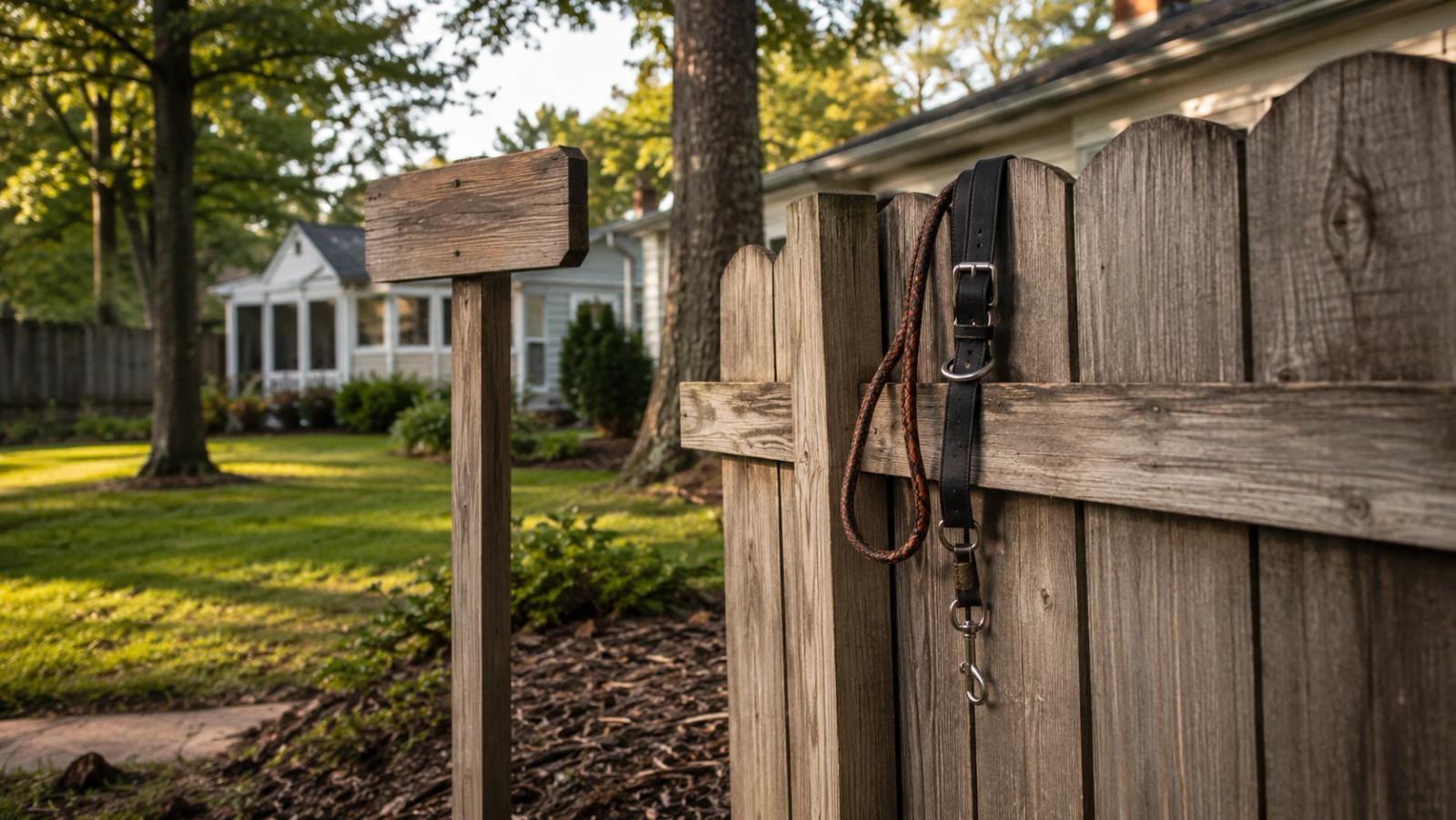
Without that evidence, a personal injury claim in Georgia can stall even when the injury is severe. This is precisely why the statute matters more here than in states with strict liability. In a strict liability state, the injury alone is often enough. In Georgia, the injury gets you in the door, but the owner's prior knowledge is what gets you paid.
There's one shortcut built into the statute. If the dog wasn't on a leash or at heel where a local leash ordinance required it, that violation alone can satisfy the vicious propensity requirement, no prior incident needed. If your dog bite happened at a park, in a neighborhood with a leash law, or anywhere the dog should have been restrained and wasn't, that detail belongs at the top of your case file, not a footnote.
How Comparative Negligence Can Cut Your Settlement
Even a strong liability case doesn't guarantee full compensation. Georgia follows a comparative negligence system under O.C.G.A. § 51-12-33, which means your settlement amount can be reduced by whatever percentage of fault gets assigned to you.
Proving the owner knew the dog was dangerous gets you in the door. It doesn't protect you from this second cut. If an insurance adjuster can argue you provoked the dog, ignored a posted warning, or approached an animal you'd been told to avoid, they'll use it to shave down the payout, and if you're found more than 50% at fault, you can be barred from recovering anything at all. Insurance companies do most of their real negotiating here. They rarely deny the bite happened. Instead, they shift blame onto the person who got bitten. Handling that shift without legal representation means arguing fault percentages against someone who negotiates them for a living, on your own, while you're still recovering.
What Drives a Dog Bite Settlement's Value
Once liability is established, the settlement value of a dog bite claim comes down to how thoroughly the damage is documented. Medical bills are only the starting point. Emergency treatment, follow-up care, and any plastic surgery needed to address scarring all get totaled and become the baseline for negotiation.
Insurers fight hardest over everything past that baseline. Lost wages, if the injury kept you out of work and you're the one deciding between rent and a follow-up appointment. Reduced earning capacity, if the injury has lasting physical effects on the job you do. Pain and suffering, which in Georgia has no statutory cap for personal injury claims, meaning a severe bite with real psychological aftermath (anxiety, PTSD, a documented fear of dogs that changes how someone lives) can be worth substantially more than the medical bills alone would suggest. None of that shows up on an X-ray, which is exactly why insurers are the least willing to pay for it without a fight.
There's still a ceiling on all of it, though, and it has nothing to do with how bad your injury is. The dog owner's homeowner's insurance policy caps what's actually available, typically between $100,000 and $500,000 Ranges described here are general information, not an estimate or prediction of the value of your claim. Every case depends on its own facts, injuries, liability, evidence, available insurance coverage, and collectability. depending on the carrier. Exceed that number and the negotiation changes entirely: the dog owner's personal assets become relevant, which is a slower, harder fight than a straightforward insurance claim.
How Long a Georgia Dog Bite Claim Takes to Settle
Most dog bite settlements in Georgia resolve within four to twelve months once treatment is complete, though the timeline depends entirely on how quickly your injuries stabilize. Settling too early is the single most common mistake victims make. An insurance company's first offer almost always arrives before the full extent of the injury, especially scarring or nerve damage, is even clear yet.
Cases involving disputed liability, where the insurer is fighting the vicious propensity question, or cases that end up in court rather than settling, can take considerably longer. Neither is a reason to accept a low offer just to close the file faster.
There is a hard limit on how long you can wait, though. Georgia gives dog bite victims two years from the date of the attack to file a personal injury lawsuit. Miss that window and you lose the right to sue, regardless of how strong the case would have been.
What to Do After a Dog Bite in Georgia
The steps you take immediately after a dog attack directly affect the settlement offer you're eventually looking at. Four things matter most: get medical attention right away, even for what looks like a minor wound, since documented treatment is the foundation of every dollar you recover; get the dog owner's name, address, and insurance information before you leave the scene; photograph the injury as it heals, not just once, since the progression of scarring is itself evidence; and find out whether animal control has any prior record on that dog, because a documented history is often the difference between a paid claim and a denied one.


Once those pieces are in place, the conversation shifts from "what happened" to "what it's worth." That's when legal representation earns its keep.
Frequently Asked Questions
Talk to a Georgia Dog Bite Lawyer
If you've been bitten by a dog in Georgia, the number that matters isn't the state average, it's whether you can prove the owner knew their dog was a risk. That's a legal question, and it's worth getting answered before you talk to an insurance adjuster.
This isn't a fight you want to have alone.
That's the exact fight Gillani Law has spent years winning for injury victims across Georgia and Alabama, recovering over $2.3 million Ranges described here are general information, not an estimate or prediction of the value of your claim. Every case depends on its own facts, injuries, liability, evidence, available insurance coverage, and collectability. in recent case results. Past results don't guarantee a similar outcome in any future case, but they reflect how our firm approaches negotiation when an insurer tries to undervalue a claim. Consultations are free, and you pay nothing unless we win.
Start your free case evaluation, or call (404) 900-1500.